This blog will be considered Part 1 of a 4-Part series pertaining to Portfolio Implementation.
There are surprisingly a lot of similarities between designing a custom-built home and designing a portfolio for an affluent family or foundation.
When you build a custom home you start by hiring an architect. The architect is responsible for designing the floor plan as per custom specifications and providing the blueprint. As portfolio managers we have what is called an “Investment Policy Statement” (IPS), which is essentially our blueprint for how the tailored portfolio is constructed and how it should be implemented.
Let’s assume you want to hire HighView as your “portfolio architect”. How would we implement the portfolio for you?
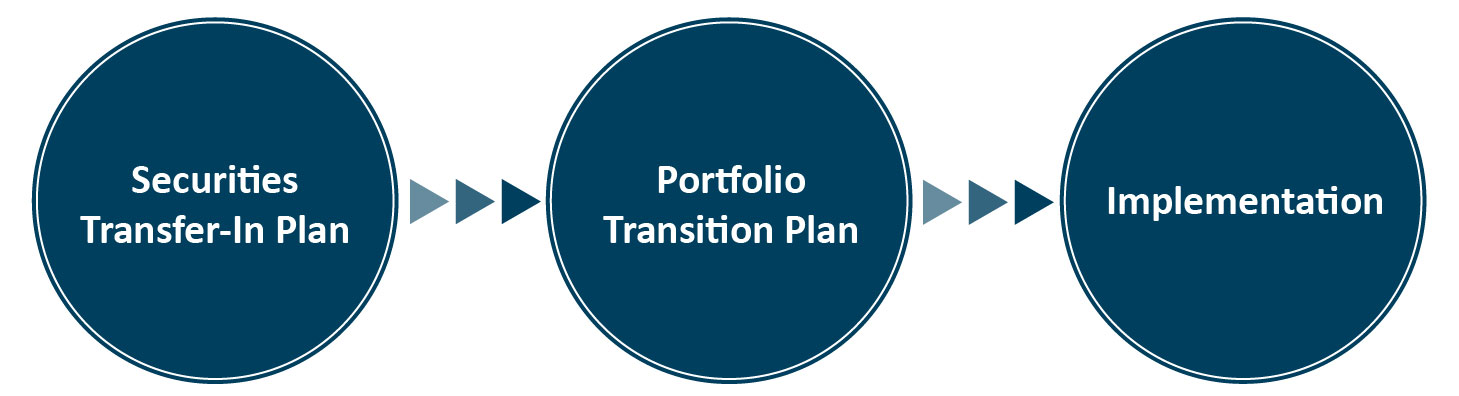
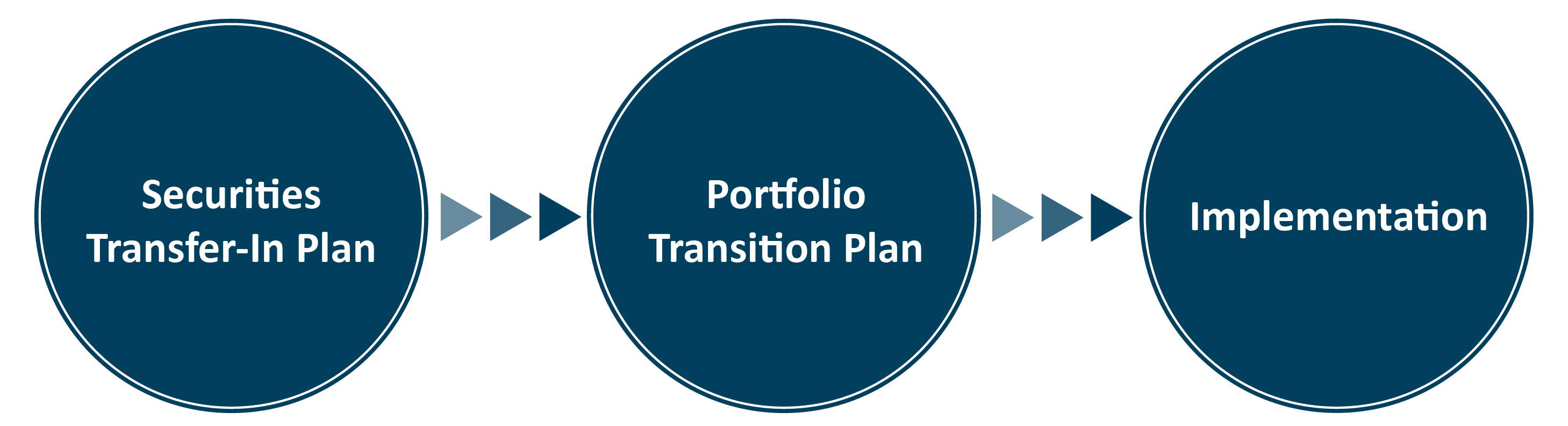
We believe there are 3 key steps that should be taken in order to properly implement a portfolio:
Securities Transfer-In Plan
All clients are coming from various institutions and most clients hold many different types of securities so we need to re-align your current portfolio structure with your new/target portfolio structure.
We usually do this by obtaining a set of recent account statements (provided by the client) so we can analyze the positions within each account for the purpose of planning how we are going to receive assets from your current institution.
This is a critically important first step as we need to consider a number of variables, including, but not limited to tax implications, exit/redemption fees, transaction and opportunity costs, etc.
Portfolio Transition Plan (if applicable)
Once assets are received as per the securities transfer-in plan we can then begin a preparing a portfolio transition plan.
Assuming some assets are transferred in-kind (ie. as-is), the purpose of this step is to determine what we need to hold onto for various reasons (ie. tax implications, overlapping positions within existing segregated manager portfolios, etc.) vs. when we are going to sell your existing positions.
Once we have determined what we can sell we can then prepare for implementation/re-deployment towards your new/target portfolio structure.
Portfolio Implementation
Once the portfolio transition plan has been executed we are ready to start deploying cash as per the specifications within your tailored IPS.
The IPS includes the target portfolio structure (ie. the portfolio design/construction) including any portfolio constraints (if applicable), which managers/mandates we are including in each respective account type (ie. corporation, trust, joint account, RRSP, TFSA, RESP, etc.), and what % of each account to allocate to each manager/mandate in order to achieve the overall target portfolio structure.
A number of variables are considered prior to placing trades, including timing of deployment (ie. lump sum vs. phased deployment/dollar cost averaging).
After the assets have been implemented as per the IPS guidelines HighView’s Portfolio Implementation Team then monitors the portfolio on a regular basis to ensure it remains within the guidelines stated in the IPS. We also report on the portfolio’s performance on a quarterly basis.
The takeaway – Portfolio Implementation requires a tremendous amount of attention and care; if the 3 key steps mentioned above are properly executed we feel that we can deliver an exceptional client experience during what is often deemed to be a stressful time for the Client.
If you have recently moved your assets to a different portfolio manager, was your onboarding experience similar to this? If you are thinking about moving your portfolio assets, has your new manager articulated their process for re-aligning your current portfolio structure with your new/target portfolio structure?
Given the importance of each of the 3 key steps mentioned above we will be taking a deeper dive into each one as separate blog posts. As these are released you will be able to find them on HighView’s blog (The Wealth Steward) in addition to many other interesting and relevant industry topics.
Stay tuned for the Part 2 blog pertaining to Securities Transfer-In Plans.
Regardless of how you acquired your wealth, there’s one thing all investors have in common—a…
An architect wouldn’t design a custom home for a family without first asking many questions…
Financial planning is the first step in a comprehensive discovery phase at HighView Financial Group.…
A “fixed asset” is a long-term tangible asset that is not expected to be consumed…
One of the core principles at HighView is to understand the purpose of the portfolio.…